

1 Killing site(s)
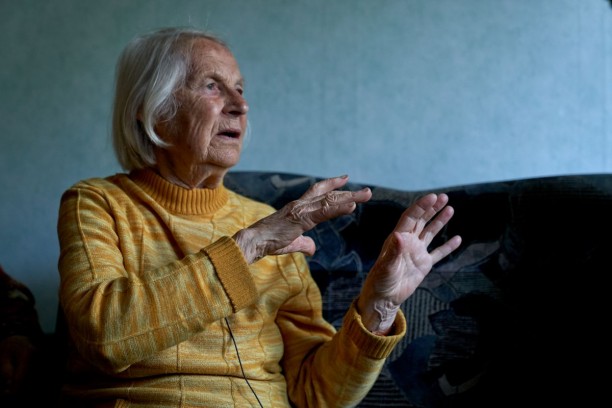
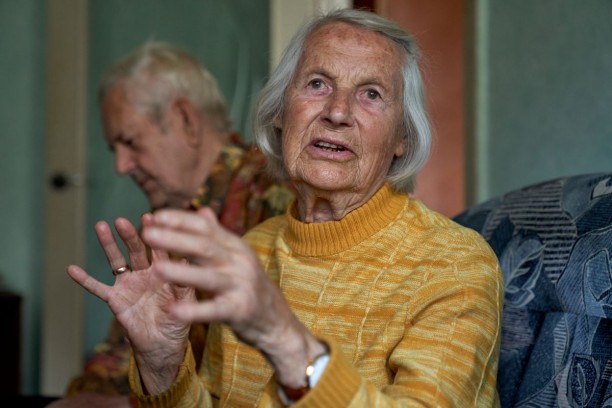
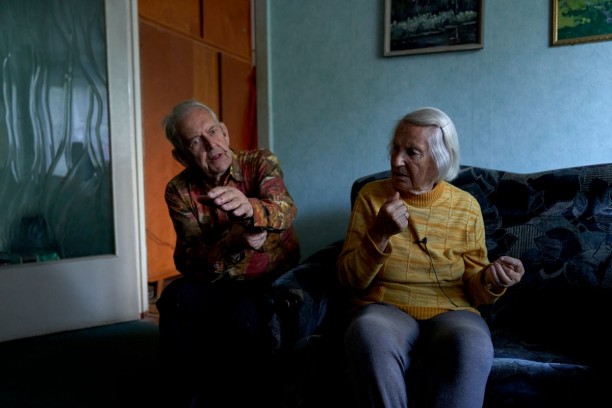
Alma S., born in 1932, and her husband: "One summer, I saw a column of maybe 50 or 60 Jews being marched along the road, coming from the direction of Ventspils and heading toward Talsi or Dundaga. Most of them were men, though I think there may have been a few women too. Those who couldn’t keep up were shot near the bridge. That’s what we heard later. Afterward, people said that a pit with the remains of several dozen Jews had been found in a sand quarry along the road to Talsi." (Testimony N°YIU77LV, interviewed in Stikli, on September 4, 2021)
"[…] The German occupiers transformed the Ventspils district, and the town of Dundaga in particular, into one of the largest centers for the mass extermination of Soviet civilians and citizens deported from Western European countries. They established a network of concentration camps, prisons, and Gestapo detention cells in Dundaga in order to exterminate civilians and Soviet POWs.
Several thousand Soviet and foreign citizens perished at the hands of the fascist executioners in the camps and prisons of Ventspils district.
The Jaundundaga camps, in the Dundaga volost, were transformed into killing camps where prisoners were hanged, shot, and murdered regardless of their sex or age, in full view of other inmates. Among those executed, at least 20% were children. According to eyewitnesses and individuals who managed to escape from the camps, beginning in 1942–1943, the Germans exterminated Soviet civilians simply because, during the period of Soviet rule, they had worked in Soviet administrative institutions, had been members of MOPR [the International Red Aid], or were of Jewish origin.
[…]To conceal their crimes in exterminating Soviet civilians and POWs, the German command strictly concealed the burial sites of those who had been shot and tortured. The bodies were buried in various places in the forests, and in most cases were transported out to sea." [Act drawn by State Extraordinary Soviet Commission (ChGK), on June 25, 1945; pp. 8-14; GARF 7021-93-2394/Copy USHMM RG.22-002M]
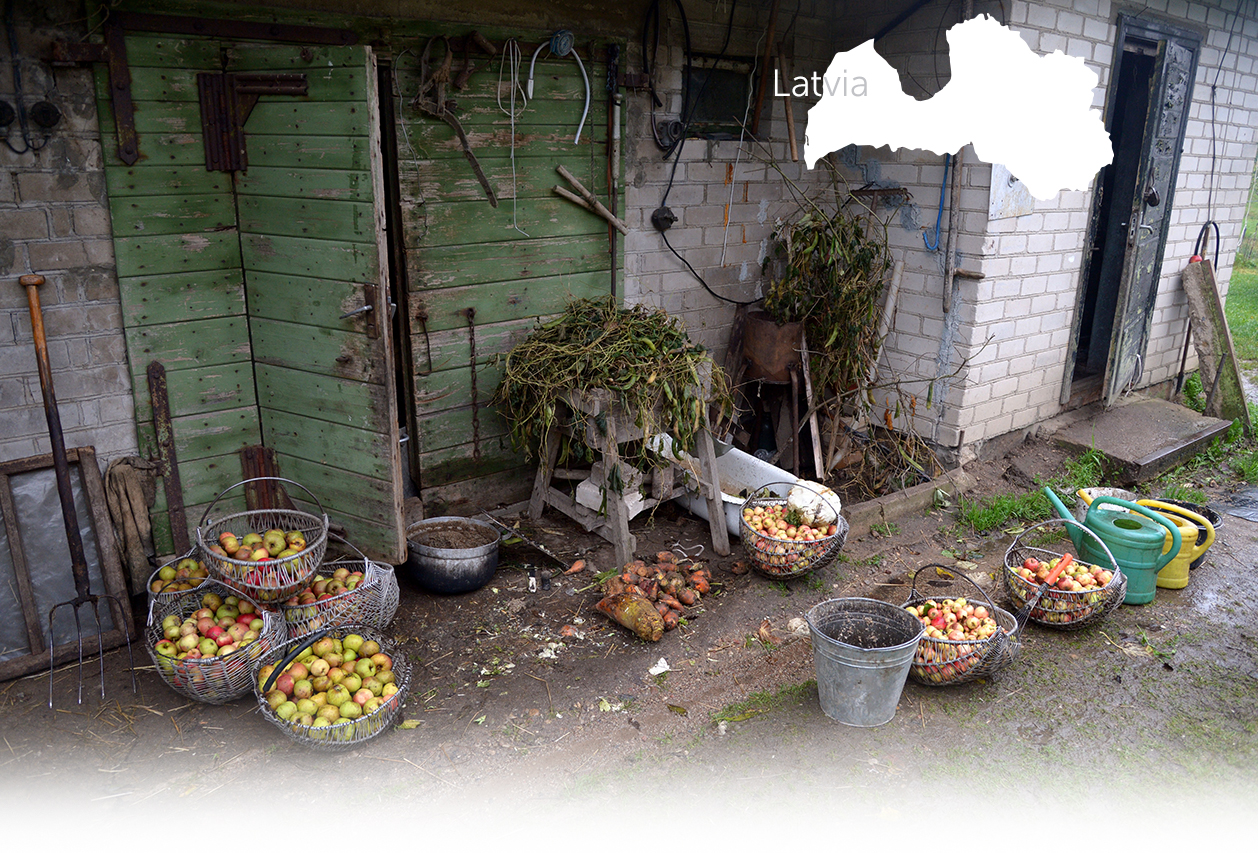
Ģibzde is located approximately 15 km (9.3 mi) south of Dundaga and 130 km (80.7 mi) northwest of Riga. Although there are no documented records of a Jewish population residing in Ģibzde itself prior to the Second World War, small Jewish communities are known to have lived in the surrounding area. In the summer of 1940, under the terms of the German–Soviet non-aggression pact, the Baltic States, including Latvia, were annexed by the USSR.
Ģibzde and its surrounding area were occupied by German troops by the end of June 1941. On July 19, 1941, the German authorities ordered the mass arrest of all Jews in the Ventspils district. They were deported to Ventspils and subsequently murdered in the forest on the outskirts of the city together with other members of the regional Jewish community.
In March 1943, the Germans established the Kaiserwald concentration camp near Riga. Following the liquidation of the ghettos in Riga, Daugavpils, and Liepāja in the summer and autumn of 1943, the remaining Jewish population was transferred to Kaiserwald and its sub-camp network. Between 1943 and 1944, five branches of this system operated in the vicinity of Dundaga, including Dondangen I, Dondangen II, and Popervāle. These camps held approximately 6,000 Jews from Latvia and other European countries, along with around 1,000 prisoners of war and partisans, all under SS guard.
Prisoners were subjected to forced labor, including the construction of barracks and a railway line to Mazirbe, timber cutting, agricultural work, and marsh drainage. The living conditions were extremely harsh, resulting in high mortality, with dozens of detainees reportedly dying each day. In addition, summary executions and isolated shootings occurred regularly in the surrounding area.
This pattern of violence is corroborated by testimony collected by Yahad - In Unum. Alma S., born in 1932, recalled seeing a column of approximately 50 to 60 Jews, mainly men, being marched from the direction of Ventspils toward Talsi or Dundaga. According to her account, those unable to keep pace were shot along the roadside. In the 1950s, a pit containing the remains of several dozen Jewish victims was discovered in an active sand quarry along the road to Talsi. Today, the burial site is overgrown by forest, and no memorial marks the location.
For more information about the killing of Jews in Dundaga, please consult the corresponding profile.
Do you have additional information regarding a village that you would like to share with Yahad ?
Please contact us at contact@yahadinunum.org
or by calling Yahad – In Unum at +33 (0) 1 53 20 13 17