

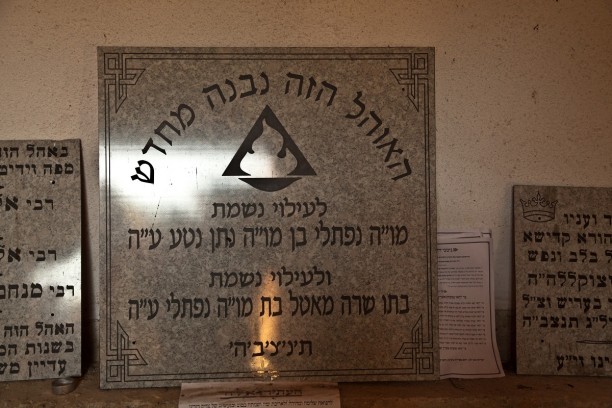
1 Killing site(s)
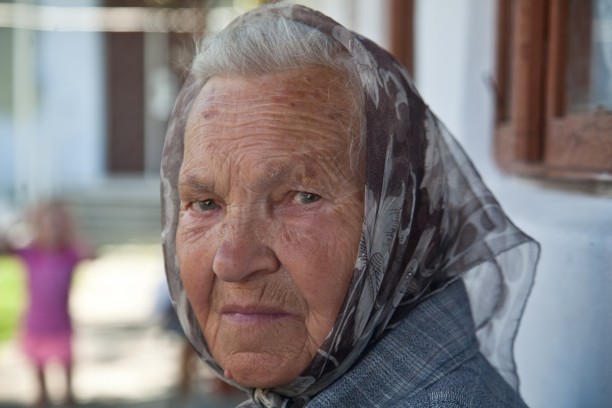
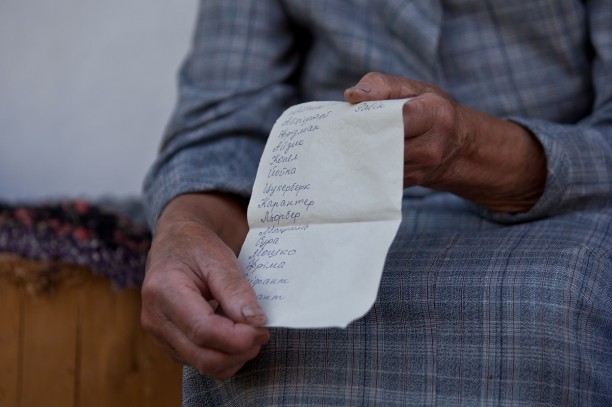
Eugenia T., born in 1925: "Before the war, Zhydachiv had a population of about 4,500, including Ukrainians, Poles, and a large Jewish community. Jewish houses were located behind the town’s executive committee and the school. Many Jews owned small shops with entrances facing the road and living quarters in the back. I remember many of them: Liebling, Ankhistein, Fridman, Aizik, Kopel, Zukerberg, Karanter, Lorber, Eifman, Iona, Sura, Moshko and his wife, and Frima. Liebling was an excellent doctor who saved my father’s life. To thank him, we would butcher a chicken every Friday, and I would bring it to him.
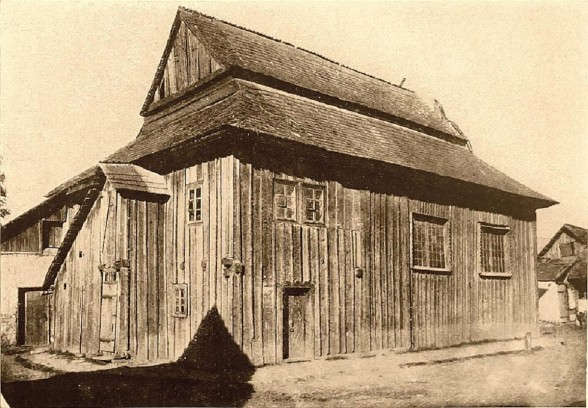
The rabbi’s house was located where the Urozhaïny store stands today. I knew the rabbi well because my father owned a mill, and every year before Passover the rabbi would come to grind wheat there. In return, they would bring us their Passover cakes. I also often went to his house to deliver messages from my father. Behind the executive committee stood the synagogue. Nothing remains there today. To the right were other Jewish shops and the post office. Ukrainian, Polish, and Jewish children all attended the same school." (Testimony no. YIU1508U, interviewed in Zhydachiv on May 21 2012)
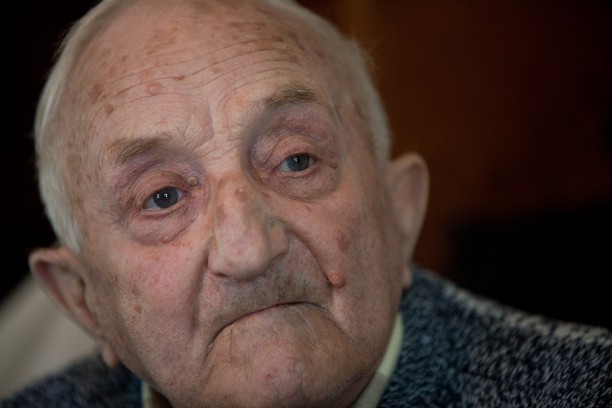
Volodymyr T., born in 1926, recalled: "When the Germans arrived, I saw how life for the Jews changed almost instantly. Everything became harder for them from one day to the next. Before the war, nearly all the shops in Zhydachiv had been Jewish. But once the Germans came, none of the Jewish shops were allowed to operate anymore, and the Jews had to survive however they could, often by bartering for food.
Not long after that, the ghetto was created. A Judenrat was also established, consisting of about six members of the Jewish community. I remember how they were forced to compile lists and decide who would be sent to forced labor. In the end, those members of the Judenrat were also killed.
Then came the forced labor. Jewish men were assigned the heaviest tasks: dismantling buildings, repairing roads, and helping to build the bridge alongside Ukrainians and Poles. The foremen and skilled workers were Polish. Jewish women were sent to work for the Liegenschaft, which had replaced the kolkhozes, where they labored long hours in the fields.
I was not in their place, but I saw what was happening around me. The way their lives were torn apart has stayed with me to this day." (Testimony N°YIU1507U, interviewed in Ivanivtsi, on May 21 2012)
"The commission has established that, during the presence of the German authorities in Zhydachiv, 111 Jews were shot by the police and by Gestapo chief Kepper and buried in 39 graves in the Jewish cemetery. Whereupon this act was drawn up. Signed: District Auttorney of Zhydachiv, Bezrouk." [ACT No. 27. Drawn by State Extraordinary Soviet Commission (ChGK),on July 24 1945. GARF 7021-58-22 p.115/Copy USHMM RG.22-002M]
"[…] Everything remained calm until February 28, 1943. […] This was due to the need to reduce the size of the ghetto as fewer and fewer Jews remained. It was also necessary to resettle Jews living in other nearby towns, such as Zhydachiv […] to Stryi. Only after this, the fifth Aktion was organized on February 28 1943." [Interrogation report of witness Heinrich Arnoldovich Wolfinger, born in 1903. Jewish. No criminal record. Drawn by State Extraordinary Soviet Commission (ChGK), on December 14 1944. GARF 7021-58-21 p.133/Copy USHMM RG.22-002M]
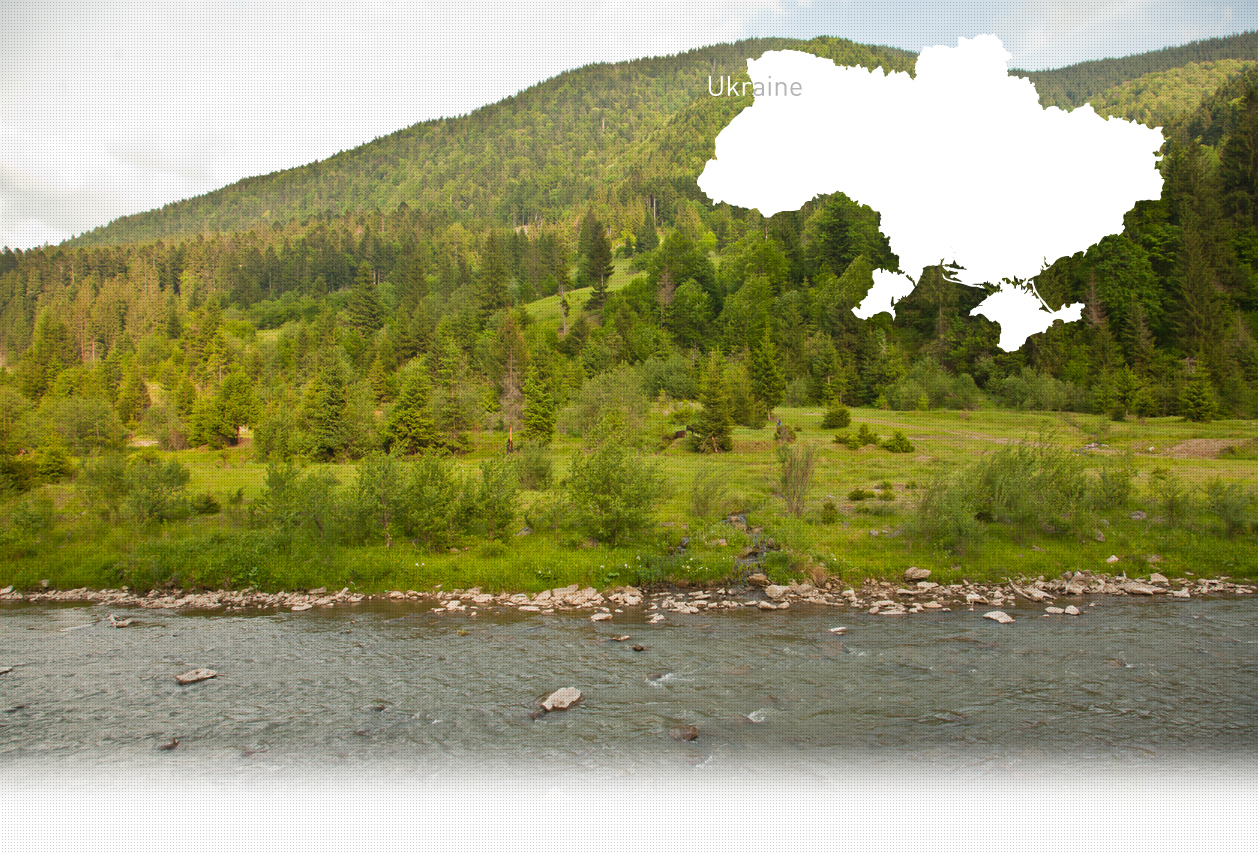
Zhydachiv is a town in the Lviv region, located about 29 km (18 mi) from Stryi. One of the oldest settlements in Eastern Galicia, it was first mentioned in written sources in 1164 under the name Udech. A Jewish presence in Zhydachiv is attested from the mid-15th century. The town’s name does not originate from the Polish word for ‘Jew’; rather, it derives from the Latin judex ‘judge’).
Although detailed records of Jewish occupations are scarce, the economic profile of the community resembled that of many Galician shtetls. Jews were active in local trade, crafts, and seasonal fairs, three of which were organized annually by Jewish merchants. The town was also an important hub for the salt trade. A smaller number of Jews worked as laborers or agricultural employees.
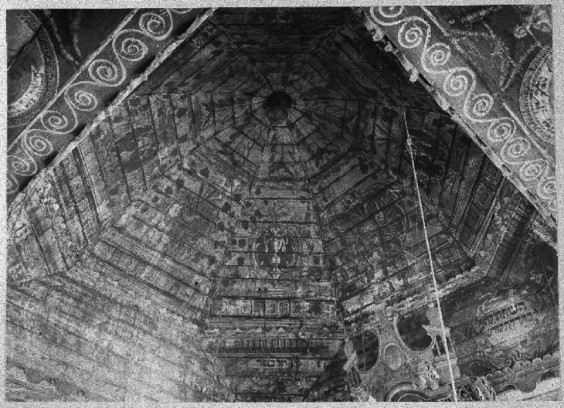
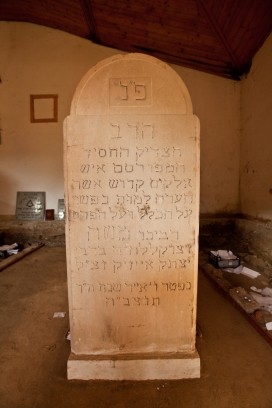
A structured Jewish community developed in the 18th century. Zhydachiv soon became a notable center of Hasidism, largely due to the influence of Tzvi Hirsh Eichenstein, the Rebbe of Zhydachiv, whose authority extended across eastern Galicia and who strongly opposed the Haskalah. The community maintained its own institutions, including a Jewish cemetery, a yeshiva, and, from 1742, a richly decorated wooden synagogue with elaborate polychrome designs. Around that time, the town counted 199 Jewish residents.
Jewish religious and communal life continued to grow in the 19th and early 20th centuries, supported by the local Tzadik dynasty, whose influence reached neighboring towns. The opening of the railway station in 1889 stimulated the town’s economic development. The population evolved as follows: in 1890, the town had 2,647 inhabitants, including 752 Jews; in 1900, approximately 870 Jews; and in 1910, 892 Jews out of a total population of 3,873.
Jews took an active part in municipal life; notably, a Jewish mayor was elected in 1907. The early 20th century also saw the spread of the Zionist movement.
Between November 1918 and May 1919, Zhydachiv was part of the West Ukrainian People’s Republic. After the Polish–Ukrainian War, it was incorporated into the Second Polish Republic, becoming a county seat within the Stanisławów Voivodeship.
In September 1939, the Red Army entered the town. Soviet authorities nationalized businesses and curtailed religious, cultural, and political activity. Pre-existing economic structures collapsed, and NKVD arrests were followed by mass deportations, primarily targeting Poles and some Ukrainians.
On the eve of World War II, Zhydachiv had approximately 4,200 inhabitants, including approximately 950 Jews.
Zhydachiv was occupied by German troops on July 3 1941. In the first days of the occupation, some local residents, encouraged by the new authorities, began looting Jewish homes and assaulting Jews, sometimes killing them both in the town and in nearby villages.
A series of anti-Jewish measures was soon introduced by the German administration. Jews were forced to wear identifying badges, their freedom of movement was restricted, and many were assigned to forced labor. Ivan, born in 1927, took his father’s place after the latter was requisitioned for work on bridge construction. Ivan worked alongside Jews, who were assigned the heaviest labor. They were not fed, and some of them died of hunger on the spot. Volodymyr T., born in 1926, likewise recalled seeing Jewish men forced to work on road repairs, while Jewish women were sent to perform agricultural labor. In the fall of 1941, young Jews from Zhydachiv were deported to labor camps.
According to Volodymyr T. (born 1926) and Eugenia T. (born 1925), interviewed by Yahad in 2012, shootings of Jews took place at the Jewish cemetery in Zhydachiv from late summer through fall 1941. One summer day in 1941, while returning home from work, Eugenia passed by the Jewish cemetery and saw a column of young Jews—men and women. She counted approximately 35 or 36 people, guarded by only two men. They were taken to a pit that had already been dug, measuring about five or six meters in length and of similar depth. A plank had been placed across the pit, and the Jews, after being forced to undress, were made to step onto it before being shot.
Volodymyr witnessed another shooting at the Jewish cemetery in the fall of 1941. On that day, a large group of Jews, including elderly people and children, were murdered there. The method of execution was the same: the victims were forced to walk onto a plank placed over the pit and were then shot. Infants, however, were thrown alive into the pit.
During the summer of 1942, several Jewish families were transferred to the Stryi Ghetto. On September 4–5, 1942, several hundred Jews from Zhydachiv were deported to the Bełżec killing center as part of Operation Reinhardt. On September 30, 1942, the remaining Jews, mainly artisans, were sent to the Stryi Ghetto. After these deportations, Zhydachiv was declared Judenrein, meaning that the town was considered ‘cleansed’ of Jews.
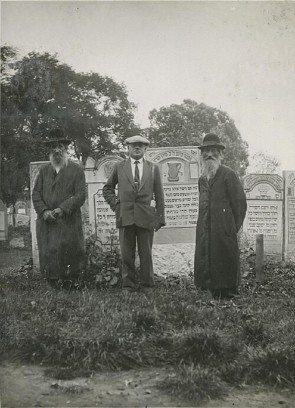
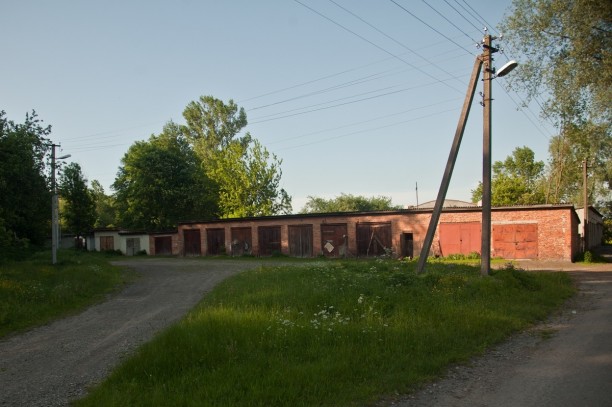
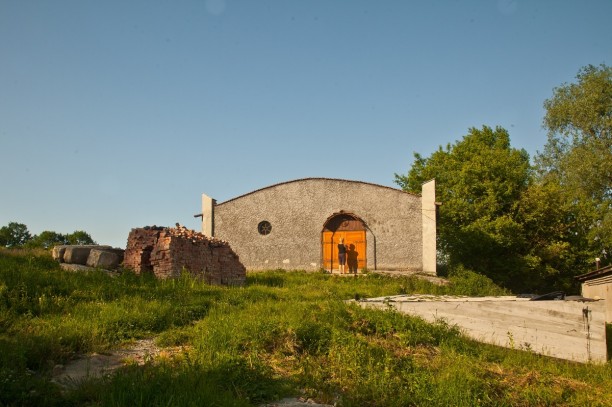
Some Jews managed to escape into the surrounding forests, but many were captured—often betrayed by local farmers—and either killed on the spot or taken to the Jewish cemetery in Zhydachiv, where they were murdered by the German Rural Police and the Gestapo. According to archival sources, a total of 111 Jews were killed and buried in the cemetery. Today, the cemetery grounds have been built over, and no monument exists to commemorate the victims.
Only a few Jews from Zhydachiv survived the war.
For more information about the killing of Jews from Zhydachiv in Stryi please follow the corresponding profile.
Do you have additional information regarding a village that you would like to share with Yahad ?
Please contact us at contact@yahadinunum.org
or by calling Yahad – In Unum at +33 (0) 1 53 20 13 17